Prepare with hydrogen power, without worrying about battery charge.
H2 PowerBox mini
Store hydrogen as fuel and generate electricity when needed, instead of storing charged electricity. Fuel storage without loss from battery self-discharge helps with long-term emergency reserves and business continuity planning. An output of approximately 68 W supplies electricity to smartphones and USB lights.
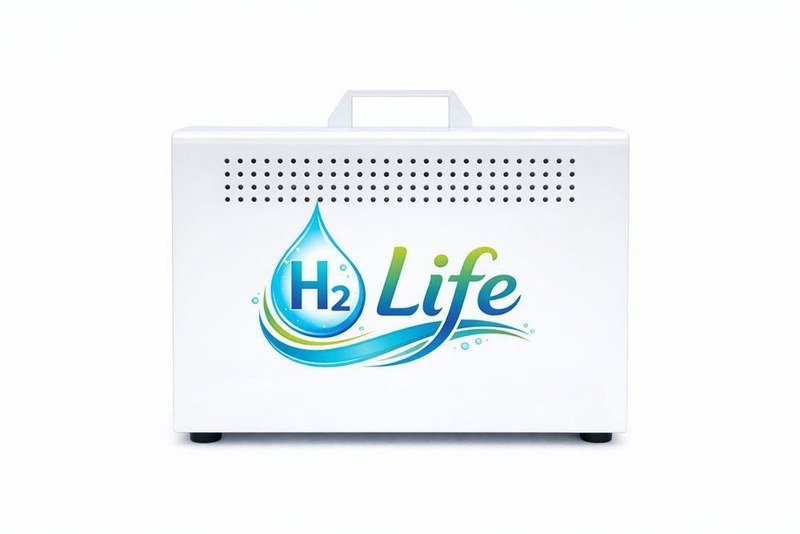
Exterior view of the hydrogen power unit. Confirm included accessories when arranging installation.
Zero self-discharge*
Store hydrogen to prepare for power needs
*Feature of the fuel storage method. Follow storage and inspection requirements
Approx. 68 W
Rated output
USB-C ×1 / USB-A ×3
Approx. 10 charges
Estimated smartphone charges
Per cartridge. Varies with the device and conditions of use
STORED AS FUEL, READY WHEN NEEDED
The storage difference is what you store.
Lithium batteries store charged electricity. A hydrogen power unit stores fuel and generates electricity when needed. For long-term preparedness, this difference affects storage management.
LITHIUM-ION BATTERY
Charge and store electricity.
Charge → Store in a battery → Supply power
Self-discharge occurs during storage, so you need to check the charge before use and manage charging according to the product. Also check temperature, storage conditions, and changes with age.
H2 POWERBOX MINI
Store hydrogen and generate power when needed.
Fill with hydrogen → Store as fuel → Generate and supply power
Because this system does not store electricity, it does not lose charge through battery self-discharge. Keep filled cartridges ready and use the unit to generate electricity when needed.
Zero self-discharge *Feature of the hydrogen fuel storage method
Storage and operation differences between lithium battery portable power stations and H2 PowerBox mini
Comparison item
Lithium Battery Type
H2 PowerBox mini
What is stored
Charged electricity
Hydrogen fuel inside a cartridge
Self-discharge
Occurs; degree varies with product and storage conditions
No loss of charge from battery self-discharge
Storage management
Check charge and storage temperature; recharge as instructed
Store fuel under specified conditions and inspect the unit and cartridges
Changes with age
Battery degradation affects capacity; manage according to specifications
Preparedness does not depend on the declining capacity of a battery storing electricity. Unit and cartridge inspections are still required
Replenishment after use
Recharge from a power source, allowing for charging time
Replace or refill compatible cartridges
Preparing for extended use
Capacity, expansion, and charging methods depend on product specifications
Extend use with spare cartridges. Rated output is approximately 68 W
Selecting for your needs
Choose suitable specifications, including output, ports, and capacity
Include compatible USB communications and lighting devices in long-term stockpile plans
The remaining charge in lithium batteries after several years is not uniform. Zero self-discharge does not mean the unit and cartridges require no inspections or can be used regardless of storage conditions.
ONE CARTRIDGE / REFERENCE
One cartridge for communications and light.
Plan the number of spare cartridges around the devices and duration you need.
Approx. 10 charges
Smartphone charging
Approx. 20 hours
Continuous operation of a 10 W LED
Estimates per cartridge. Results vary with device capacity and power consumption, power supply conditions, and operating environment. The figures do not represent combined use of both devices at the same time.
ENERGY FOR YOUR SCENE
For everyday moments, and emergency preparedness.
Identifying where you need electricity or heat helps clarify the equipment and fuel required. Before introducing a system, consider the appliances, number of people, and duration of use.
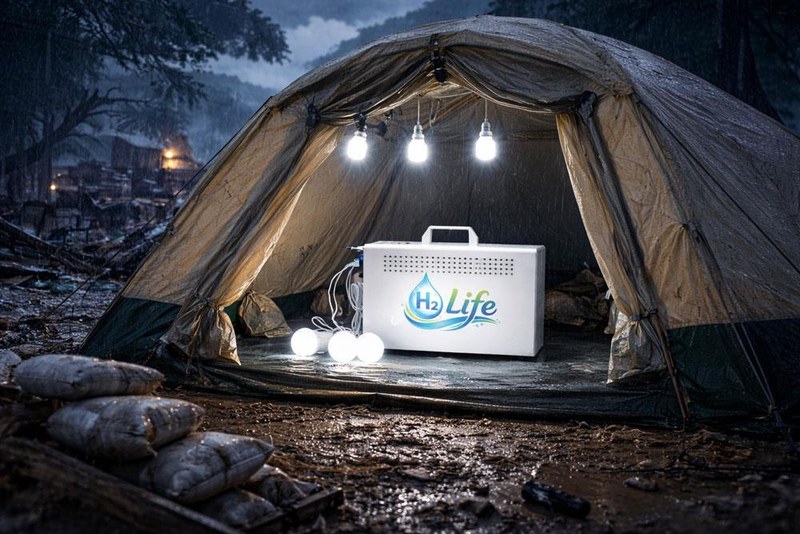
Illustration of outdoor use of a hydrogen power unit.
01
Supporting communication during power outages
Consider supplying power to smartphones and compatible communications equipment. Plan for communication needs based on the number of devices and duration of use.
Check device input specifications, power consumption, and startup requirements.
02
Convenient power outdoors
For time spent away from mains power, including USB lighting and compatible devices. Prepare the equipment and the required number of cartridges together.
Check official specifications for water resistance and temperature requirements.
03
For business and facility continuity plans
Consider a fuel system that does not lose charge through self-discharge during long-term storage for business and facility preparedness. Start with functions you want to maintain during outages, such as communication and lighting, then plan cartridge quantities, storage locations, and responsibility for inspections and refilling.
The specifications on this page do not guarantee power for 100 V household appliances or backup for an entire facility.
HYDROGEN TO ELECTRICITY
Change the fuel, generate electricity.
H2 PowerBox mini uses a fuel cell powered by hydrogen and oxygen from the air. It combines a fuel storage cartridge with a unit that generates electricity.
FUEL Hydrogen Cartridge
In a compatible metal hydride cartridge, store hydrogen
→
CONVERT Hydrogen Fuel Cell
Harness the reaction of hydrogen and oxygen Convert It to Electricity
→
USE USB Power Supply
To compatible ports and devices, deliver the electricity needed
This is a conceptual diagram of the system, not a connection procedure. Rated output is approximately 68 W. Check official specifications for connected device input requirements, each port's limit, and conditions for simultaneous use.
Plan fuel reserves and unit inspections separately.
Hydrogen is held in a metal hydride cartridge. This approach to preparedness differs from managing battery charging; plan storage conditions, regular inspections, and replacement and refilling schedules.
Determine quantities from the requirements of connected devices.
The number of USB ports alone does not determine which devices can operate simultaneously. Check required output, standards, and operating time, then consider compatible cartridges and operating arrangements.
FUEL & CONTINUITY
Make refilling after use part of your preparedness.
Along with the equipment, establish arrangements for compatible cartridge supply, inspections, and storage. Choose a sustainable approach based on frequency and location of use.
01 / PREPARE
Prepare filled cartridges
Check compatibility between cartridges and equipment, and prepare the required quantity.
02 / USE
Use where needed
Connect and use according to the instructions. Keep track of used and filled cartridges to prepare for the next use.
03 / REPLENISH
Refill for the next use
Arrange for your cartridge to be inspected, refilled and returned, and continue proper storage. Check the turnaround time in advance.
CARTRIDGE SERVICE
Refilling and Return Service
We inspect and refill the exact used cartridge you send us, then return it to you. Confirm eligible products, request procedures, shipping and return conditions, fees, and turnaround time in advance.
Facilities that use hydrogen repeatedly can also consider a configuration with dedicated equipment. Contact us to discuss compatible cartridges, installation conditions, required volume, and maintenance arrangements.
Service availability and conditions depend on your region and product compatibility. Do not disassemble, modify, or fill cartridges using unverified equipment. Follow the official guidance.
A COMPLETE PREPAREDNESS PLAN
Prepare electricity and cooking, alongside food and hygiene supplies.
Power to keep communications and lighting available, and heat to prepare meals. Ready-to-eat staples and hygiene supplies also have their roles. Combine the supplies you need for each purpose.
SPECIFICATIONS
Check the specifications, then plan your use.
Check product specifications and compatibility with your operating environment. Contact us about pricing, stock, lead times, accessories, and supply conditions.
Product name / Model
H2 PowerBox mini / HPB68
Power generation method
Hydrogen Fuel Cell
Rated output
Approx. 68 W
Power output ports
USB-C ×1、USB-A ×3
Body dimensions
350 ×150 ×290mm
Weight
Body: 6.2 kg / With cartridge installed: 8.2 kg (cartridge: 2 kg)
Fuel supply
Compatible hydrogen storage alloy cartridge
Estimated use per cartridge
Approx. 10 smartphone charges / Approx. 20 hours of continuous 10 W LED operation
Conditions for use estimates
Figures are estimates. Results vary with device capacity and power consumption, power supply conditions, and operating environment.
BEFORE YOU USE
Confirm location, compatibility, and storage before installation.
Hydrogen equipment has product-specific requirements. Check ventilation, surroundings, compatible supply sources, connectors, and inspection procedures in the official specifications and instruction manual. Contact us about storage and transport conditions as well.
How does it differ from a lithium battery portable power station?
Lithium batteries store charged electricity and self-discharge during storage, requiring charge checks and product-specific charging management. H2 PowerBox mini stores hydrogen as fuel and generates electricity when needed. The absence of charge loss from battery self-discharge is a feature for long-term stockpiling. Follow unit and cartridge inspection requirements and specified storage conditions.
How many times can I charge a smartphone?
The estimate is approximately 10 charges per cartridge. A 10 W LED is estimated to run continuously for approximately 20 hours. Actual charges and operating time vary with the device's battery capacity, power supply conditions, and operating environment. Contact us with the devices and quantities you wish to use.
Can I use a household 100 V outlet?
The output ports are 1 USB-C and 3 USB-A ports. AC 100 V output is not listed on this page. Please consult us about compatibility with individual appliances, computers, and other devices.
Can it be used indoors?
Indoor use requires checking the installation location and operating conditions. Fuel cell power generation produces water and uses a different process from an engine generator. Follow the official instruction manual's ventilation, installation, temperature, and other requirements, and check compatibility with the location and connected equipment.
How do I replenish cartridges?
Consider the refilling and return service for compatible cartridges, or a dedicated hydrogen generation and filling system. Before installation, check service region, shipping conditions, turnaround time, cost, and compatible products.
I would like to know the prices of the unit and cartridges.
Let us know the quantity, compatible cartridges, supply method, and operating environment. We will provide information on the equipment and the configuration and conditions needed for continued use.
Where you will use it, the appliances or cooking involved, and the duration you need. Talk to us about fuel supply and operation as well as the equipment itself.